
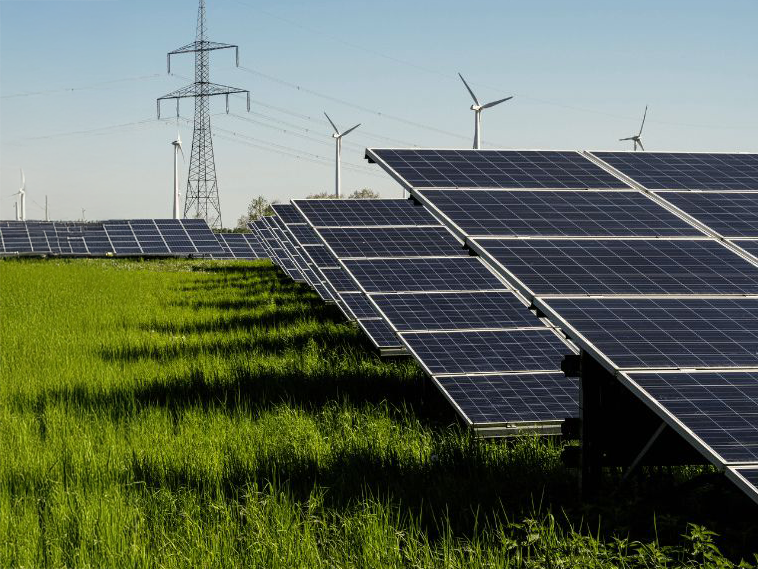
Our facility is powered by 100% green energy, with solar power forming the foundation of our operations. It is a conscious choice to create responsibly while significantly reducing our environmental footprint. With a production capacity exceeding 400,000 meters per month, our scale is supported by structure, discipline, and mindful systems. Renewable energy enables us to sustain this capacity thoughtfully, ensuring that growth and environmental responsibility move forward together
We believe a sustainable future starts with the fibers we choose. Our textiles utilize eco-friendly, renewable resources like organic cotton, hemp, and bamboo, which are grown without harmful pesticides to protect soil and water health. By prioritizing these materials, we ensure our fabrics are biodegradable and won’t linger in landfills for decades. This commitment allows our consumers to reduce their carbon footprint while supporting ethical farming practices that protect the earth.

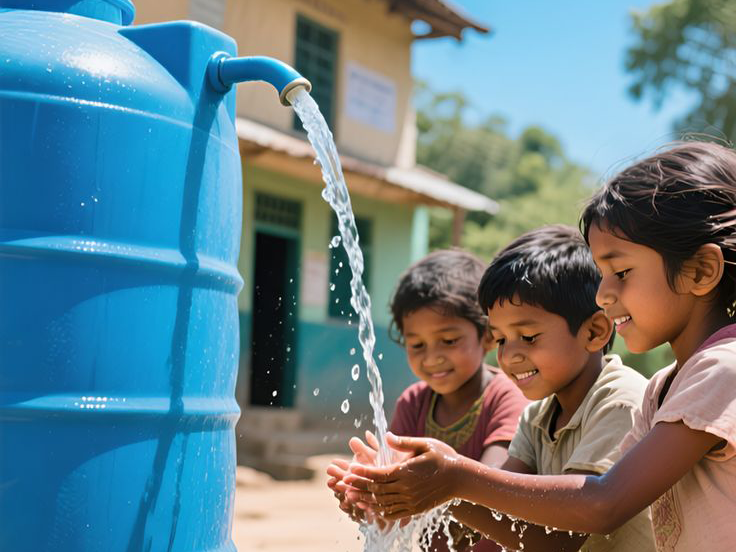
Water is treated with care at every stage of our process. Through advanced treatment and recycling systems, it is preserved, reused, and responsibly managed as a shared resource. This philosophy of preservation extends to our waste management; by focusing on natural fibers like wool and silk, we ensure our products return to the earth within months or years. This reduces the strain on waste systems and ensures our materials decompose naturally without releasing harmful chemicals.
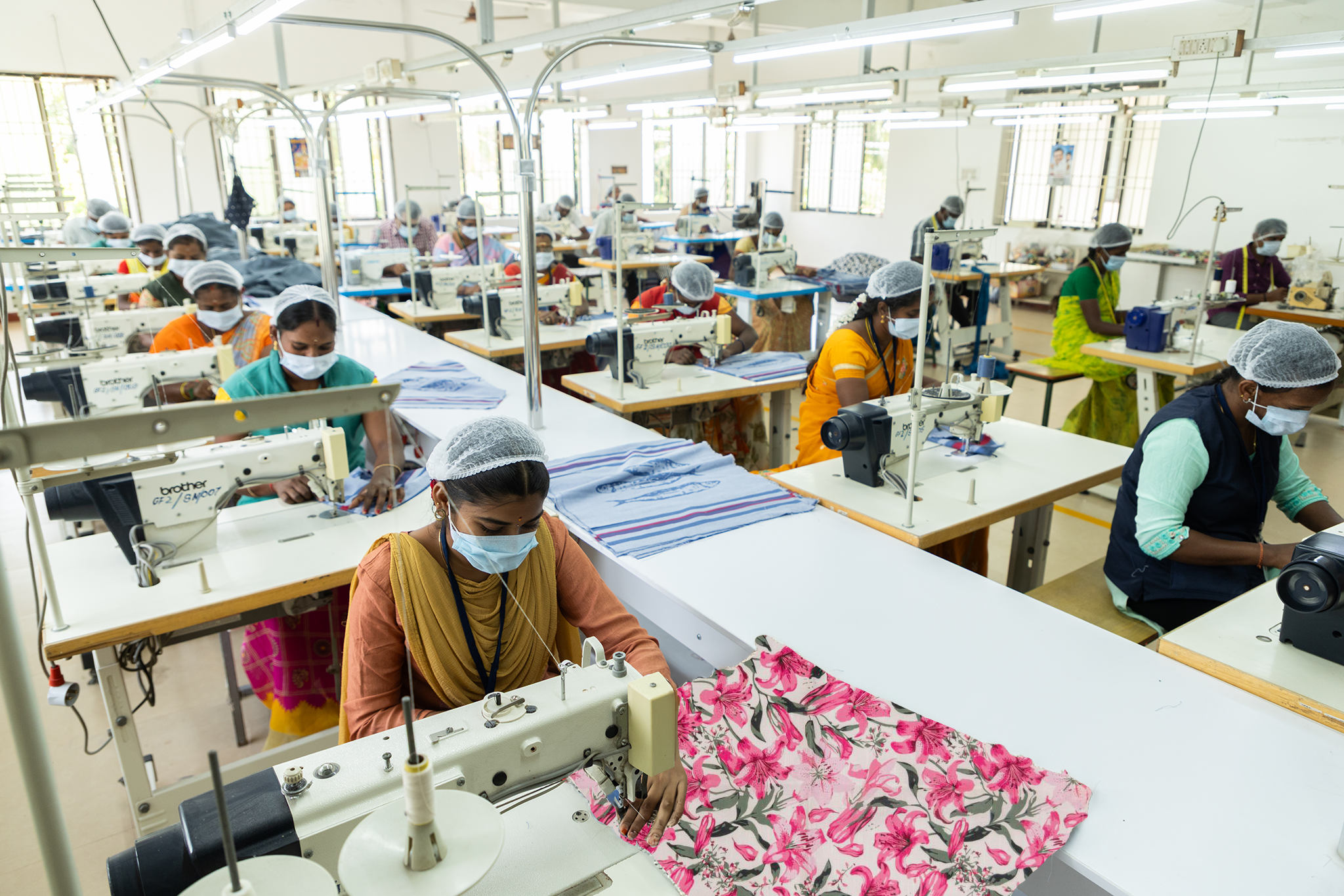
Our manufacturing space in Karur is designed to function in harmony with its surroundings, operating as a carbon-neutral facility. This structural integrity is matched by our commitment to our people; for over 28 years, we have nurtured a team of highly skilled artisans and tailors who have grown alongside us. Many of the hands that craft our textiles belong to families connected to our journey for years, and their wellbeing remains central to our vision of sustainable growth
Rainwater Harvested
Rooftop Solar Generated
Energy Efficient Lighting
Reduced Transport Footprint
Rural empowerment & Community developement
Water Conservation Training & environmental best practices


.png)

